
February 05, 2026 | Financial Analysis
Eli Lilly and Company reported robust financial results for the fourth quarter ended December 31, 2025, driven by accelerating demand for its leading diabetes and obesity therapies and solid operational execution. The company also provided financial guidance for the full year 2026, signaling continued growth momentum.
Fourth-Quarter 2025 Financial Highlights
Revenue: $19.3 billion, up 43% compared with $13.5 billion in Q4 2024.Reported EPS: $7.39, a 51% increase year-over-year.Non-GAAP EPS: $7.54, up 42% from prior year.Net Income (reported): $6.6 billion, a significant increase relative to Q4 2024 results.
Lilly’s quarterly revenue comfortably exceeded consensus analyst estimates, underpinned by strong volume growth across key products. The company’s earnings performance beat expectations on both the top and bottom lines, reflecting sustained momentum in its core franchises and disciplined expense management.
Product Performance and Growth Drivers
Lilly’s diabetes and obesity drug portfolio continued to be the primary engine of growth in Q4 2025, led by:
Mounjaro (tirzepatide for type 2 diabetes): Revenue of $7.41 billion, up 110% year-over-year. Strong demand in both the U.S. and international markets drove significant volume gains, though pricing pressures partially offset revenue uplift.
Zepbound (tirzepatide for obesity): Revenue of $4.26 billion, a 123% increase compared with Q4 2024. The rapid uptake of Zepbound continued to contribute materially to total sales growth.
Together, Mounjaro and Zepbound accounted for a combined $11.7 billion in sales during the quarter, representing roughly 60% of Lilly’s total quarterly revenue. This remarkable contribution underscores the dominance of the GLP-1 and dual-agonist category for Lilly’s near-term financial profile.
Beyond the incretin portfolio, other established products such as Verzenio delivered modest growth, with revenue up 3% year-over-year to $1.6 billion. Growth in international markets helped offset a slight U.S. decline for Verzenio.
Operational and Financial Performance
Lilly’s operating performance reflected disciplined expense management alongside strategic investments in R&D and commercialization:
Gross Margin: Expanded, supported by favorable product mix from high-growth products and ongoing operational efficiencies.
R&D Expenses: Increased as the company continued to invest in pipeline advancement across key therapeutic areas.
Selling, General & Administrative (SG&A) Expenses: Grew in line with expanded global marketing and launch activities for key products.
2026 Full-Year Guidance
Lilly provided outlook guidance for the 2026 fiscal year, reinforcing its confidence in continued growth:
Projected Revenue: $80 billion to $83 billion.
Non-GAAP EPS: Expected in the range of $33.50 to $35.00.
The guidance reflects robust demand forecasts for Lilly’s core portfolio and expectations of continued volume growth, particularly for its GLP-1 franchise and other high-growth therapies.
At the midpoint of guidance, revenue is expected to grow approximately 25% year-over-year compared with full-year 2025 results, illustrating Lilly’s strong growth trajectory relative to industry peers.
Market Reaction and Broader Context
Investors responded positively to Lilly’s results and guidance, with shares rallying sharply on the announcement. The stock’s performance reflects confidence in future earnings power amid a competitive landscape in diabetes and obesity therapies. Analysts noted that Lilly’s guidance exceeded consensus estimates, supporting a favorable market outlook.
Strategic Drivers and Pipeline Initiatives
Lilly’s success in the quarter stemmed not only from strong product demand but also from its strategic investments in global market expansion and pipeline development:
Global Adoption: The international expansion of Mounjaro and Zepbound contributed meaningfully to revenue growth, particularly in markets outside the United States.
Oral GLP-1 Development: Lilly is progressing an oral GLP-1 agent, orforglipron, with regulatory milestones anticipated in mid-2026. Management expects this will broaden patient access and further diversify Lilly’s incretin portfolio.
Pipeline Breadth: Continued advancement across oncology, immunology, and cardiovascular portfolios supports longer-term growth prospects beyond the incretin category.
Competitive Landscape
Lilly operates in a highly competitive environment, particularly in the diabetes and obesity therapy sectors. Competing products from other major pharmaceutical companies, including Novo Nordisk and Pfizer, have intensified market dynamics. However, Lilly’s strong growth suggests it continues to gain share in key markets.
Chief Executive Officer Comment
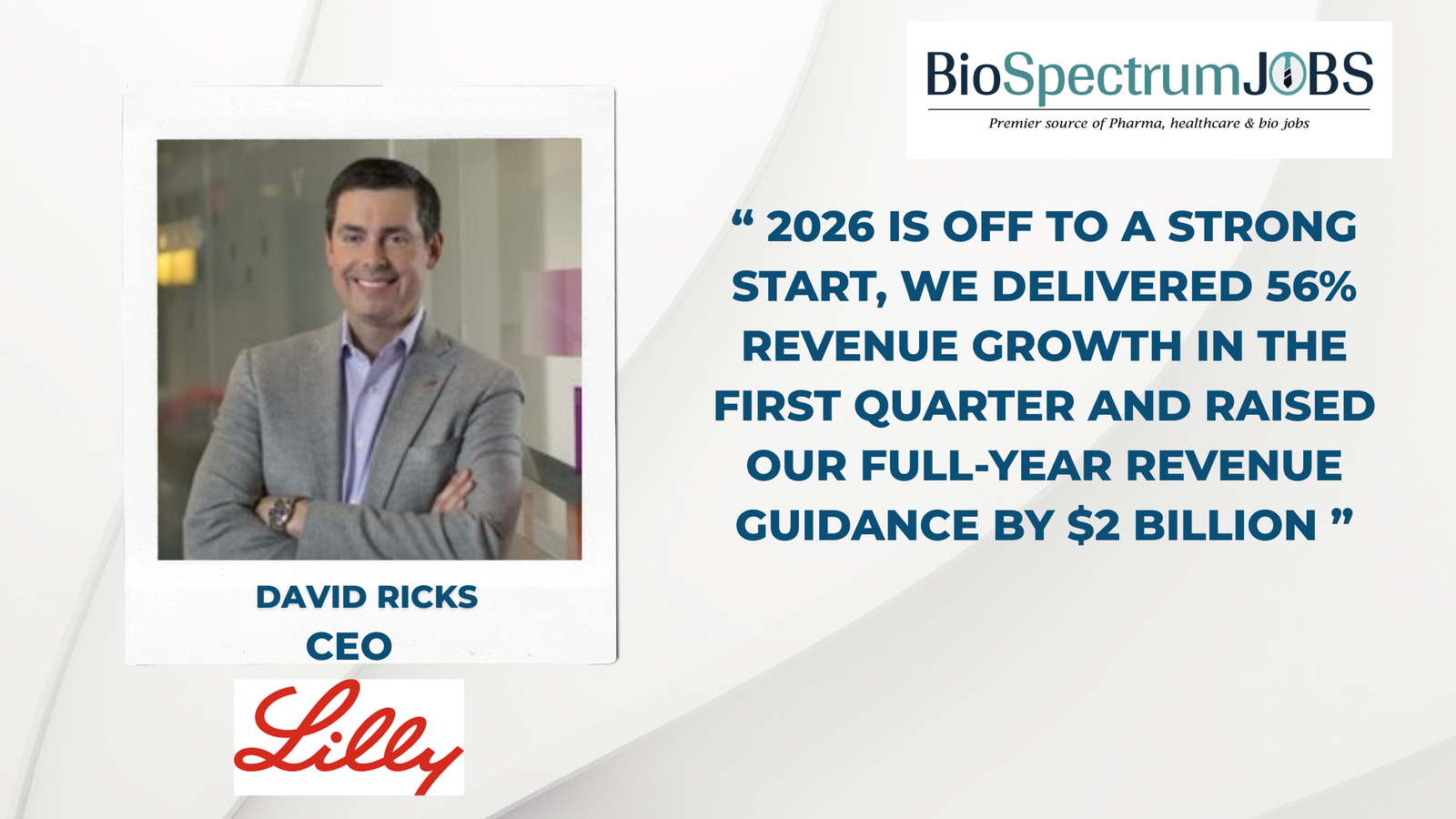
David Ricks, Chair and CEO of Eli Lilly and Company, highlighted the quarter’s achievements, emphasizing the company’s operational strength, strategic positioning, and commitment to driving meaningful patient impact through innovative therapies. He noted that Lilly’s performance demonstrated the enduring demand for its product portfolio and reiterated confidence in the company’s 2026 growth prospects.
Lilly’s fourth-quarter 2025 performance showcased exceptional revenue and earnings growth driven by blockbuster therapies, complemented by optimistic full-year guidance for 2026. The results affirm Lilly’s leadership in the diabetes and obesity treatment landscape while underscoring the company’s strategic execution across global markets and therapeutic portfolios.